Ukraine’s Commercial Jurisdiction Celebrates its 35th Anniversary: International Scientific and Practical Conference Was Held with the Support of EU Project Pravo-Justice
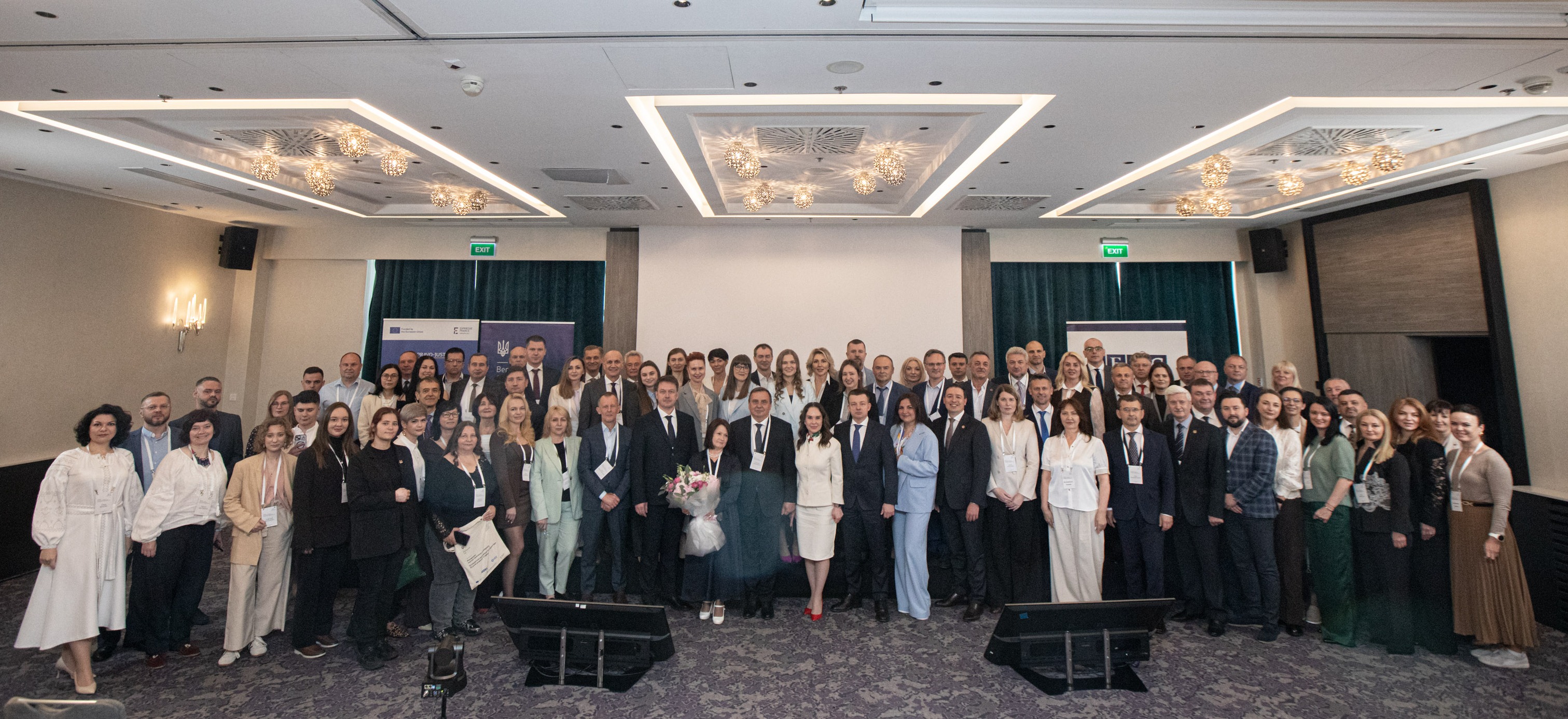
On 28–29 May, a two-day international scientific and practical conference entitled “Commercial Jurisdiction in Ukraine: 35 Years of Development and European Benchmarks” was held, dedicated to the 35th anniversary of the establishment of commercial (arbitration) courts in Ukraine. The event was organised by the Supreme Court with the support of the EU Project Pravo-Justice, the OSCE, and the German Foundation for International Legal Cooperation. The conference brought together representatives of the judiciary, parliament, government bodies, international partners, business associations, the academic community, and the legal profession to discuss the role of commercial jurisdiction in ensuring the rule of law, economic stability, and Ukraine’s European integration.
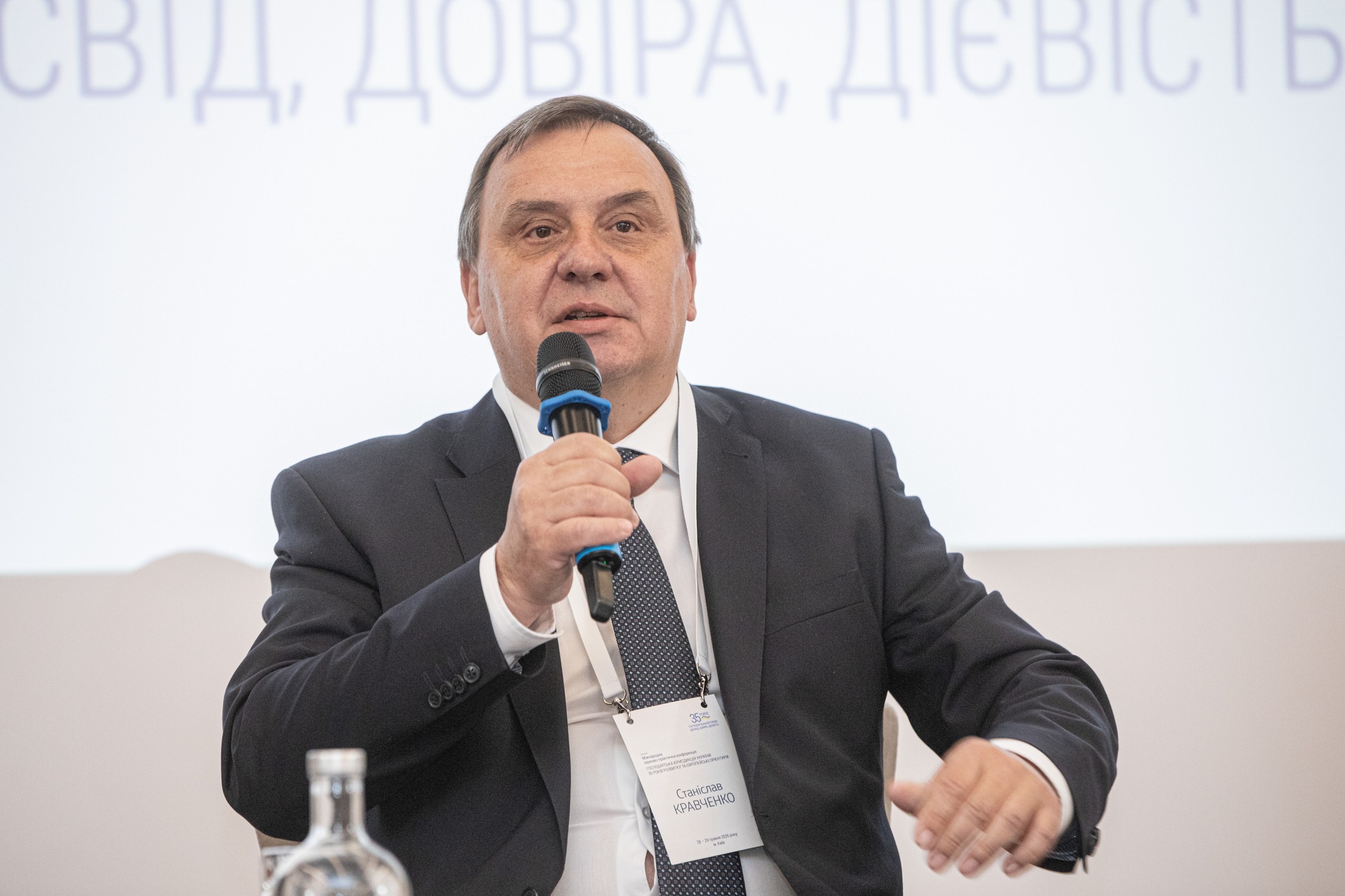
Stanislav Kravchenko, President of the Supreme Court, noted that commercial jurisdiction is one of the key instruments for ensuring economic stability and Ukraine’s post-war recovery.
“Our primary task at present is to ensure the administration of justice in wartime, whilst adhering to security requirements and adapting to the necessary legislative changes. At the same time, it is commercial jurisdiction that will become one of the key instruments of Ukraine’s post-war recovery, as attracting investment and rapid reconstruction are impossible without effective, predictable and efficient legal protection,” stated Stanislav Kravchenko.

Larysa Rohach, President of the Commercial Cassation Court within the Supreme Court, outlined in her keynote address the milestones in the development of commercial jurisdiction – from the transformation of the state arbitration system in the early 1990s to the current model of judicial proceedings which is based on the rule of law, European standards, and trust in the judicial system. She also reported on the performance of the Commercial Cassation Court within the Supreme Court. According to her, in 2025 the efficiency rate in terms of the administration of justice stood at 100.5%: during the year, the court received 9,899 procedural applications, 9,951 were considered; and the average duration of proceedings before the cassation instance was 233 days.
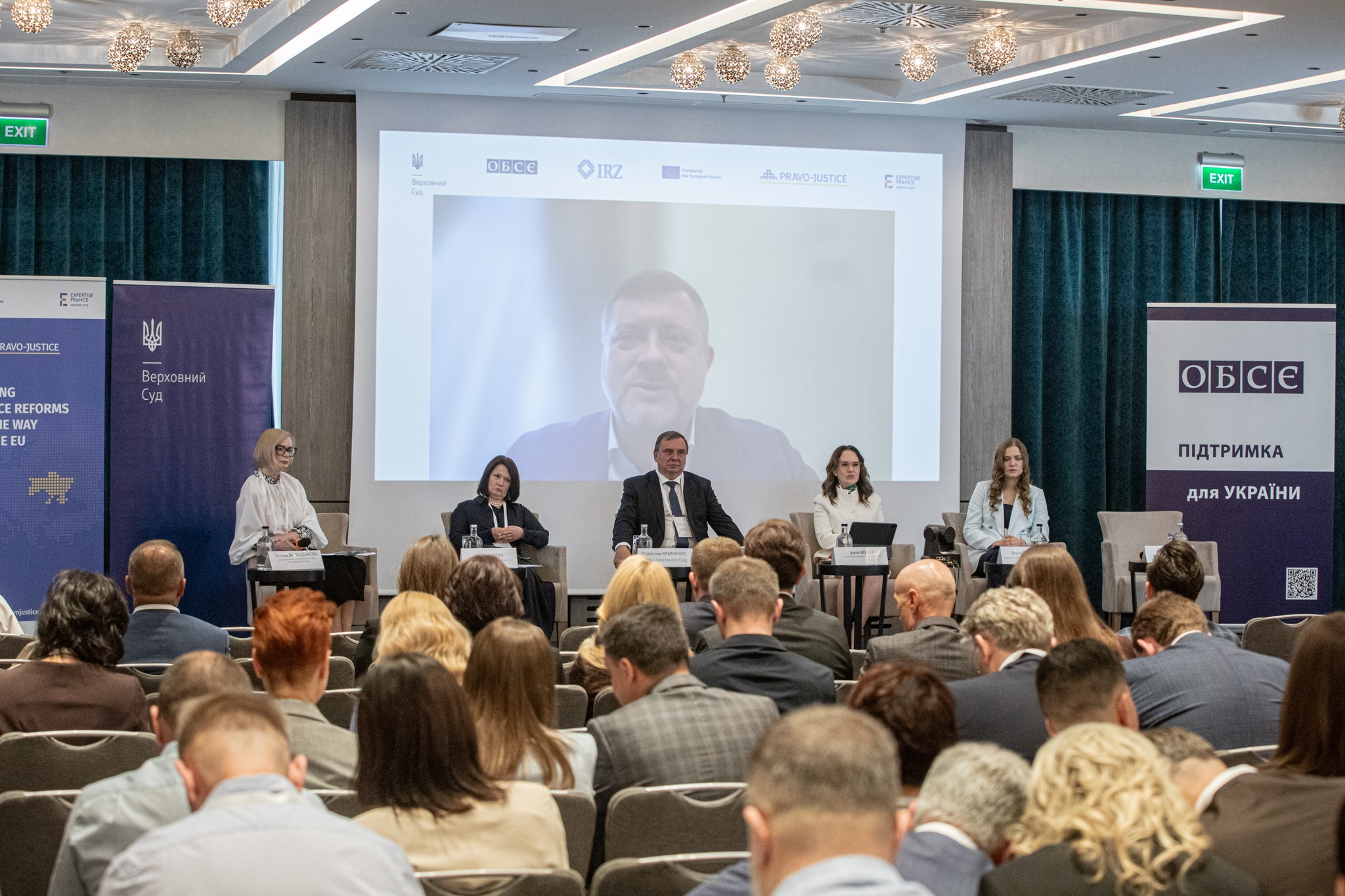
Oleksandr Korniienko, First Deputy Chair of the Verkhovna Rada of Ukraine, emphasised that Ukraine’s successful European integration depends not only on the harmonisation of legislation, but also on the development of a legal culture based on trust in the courts, the predictability of court decisions and the effective protection of the rights of participants in economic relations.
“We understand that a strong state is impossible without a strong economy, especially now, when all economic efforts are directed exclusively towards national defence. A strong economy cannot be built without trust and without high-quality administration of justice,” said Oleksandr Korniienko.
In turn, Taras Kachka, Deputy Prime Minister for European and Euro-Atlantic Integration of Ukraine, noted that a significant part of the negotiation process regarding Ukraine’s accession to the European Union concerns economic relations; therefore, effective commercial justice and adherence to the principles of the rule of law are important prerequisites for the country’s European integration.
“It is therefore important for us that the principles of the rule of law, consistency in judicial practice, adherence to procedural deadlines and, above all, confidence that decisions are fair, continue to develop. I am very grateful that it is these values that are being established within Ukraine’s commercial justice system,” said Taras Kachka.
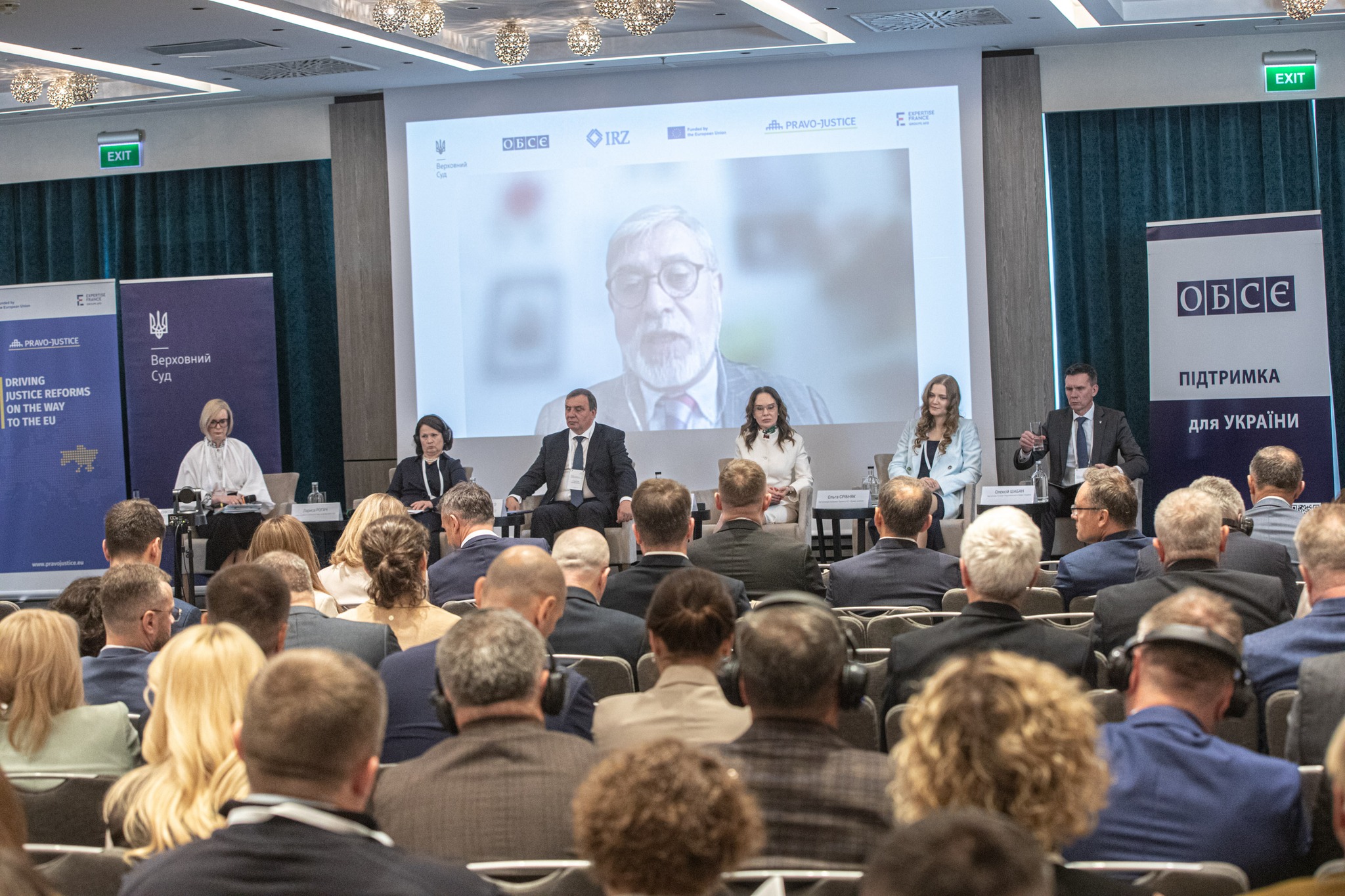
Asier Santillán Luzuriaga, Head of the European Integration, Governance and Rule of Law, Civil Society Section at the EU Delegation to Ukraine, noted that in EU countries, effective commercial justice is one of the fundamental elements of investment protection, stability of economic relations, and trust in state institutions.
“The development of a strong, independent and effective commercial judiciary remains one of the key conditions for Ukraine’s successful European integration and economic recovery. The Supreme Court and the commercial jurisdiction play an important role in this process, ensuring the consistency of judicial practice and facilitating the gradual harmonisation of Ukrainian approaches with European ones,” said Asier Santillán Luzuriaga.
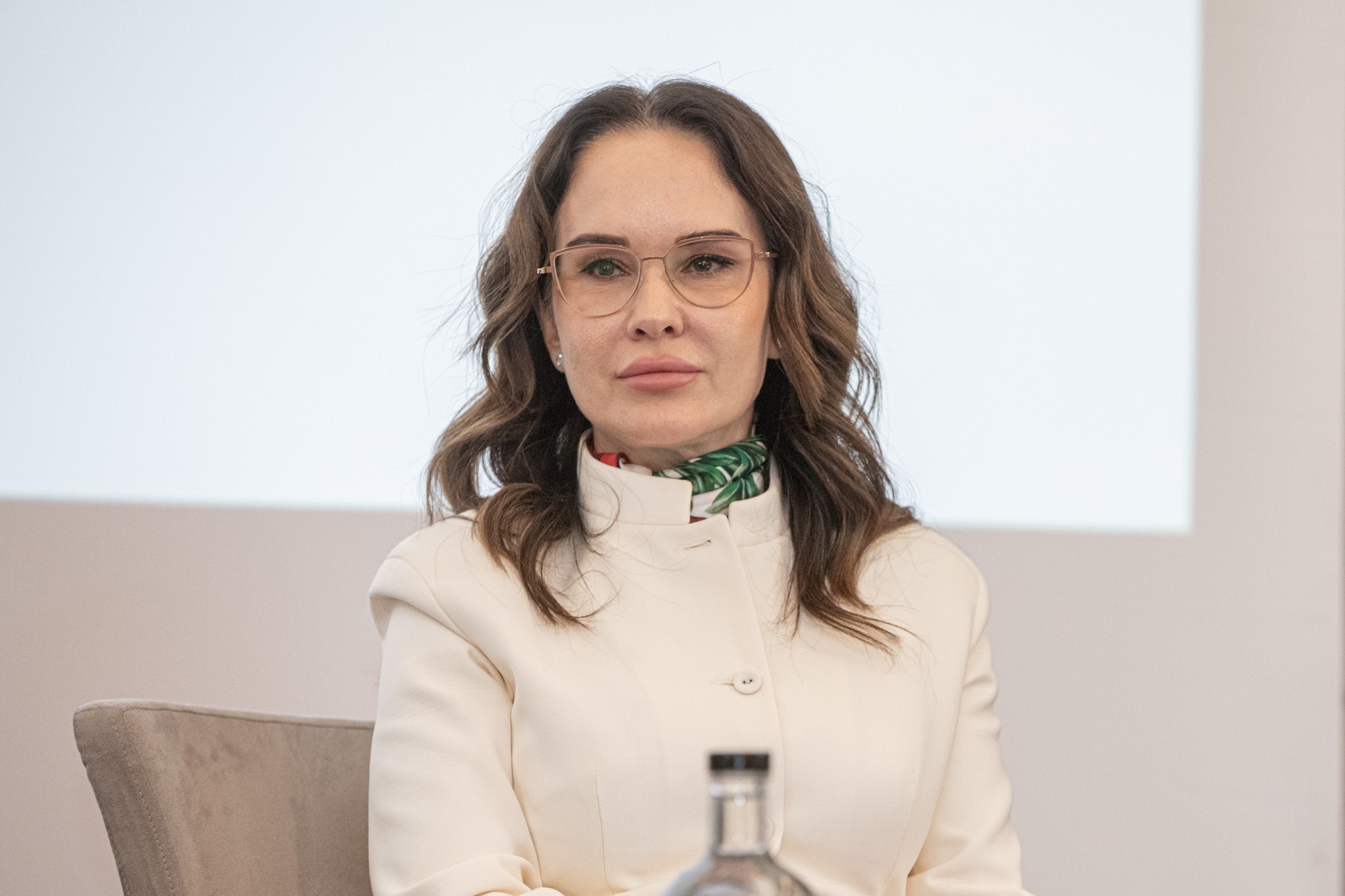
Iryna Mudra, Deputy Head of the Office of the President of Ukraine, noted that it is commercial jurisdiction that has shaped the legal culture of doing business in Ukraine over many years, ensuring a balance between private and public interests and responding to new challenges of economic development.
“Access to justice, the rule of law, the enforcement of court decisions, the protection of the rights of bona fide purchasers, and the balance of interests in corporate and land relations – these are not abstract academic concepts, but the daily work of the commercial courts. A country’s investment climate is built not only on laws, but also on trust in the courts. No international partner or investor will come to a place where court decisions are unpredictable or unenforceable. That is why the effectiveness of commercial jurisdiction is a matter of national security and Ukraine’s economic sovereignty,” emphasised Iryna Mudra.
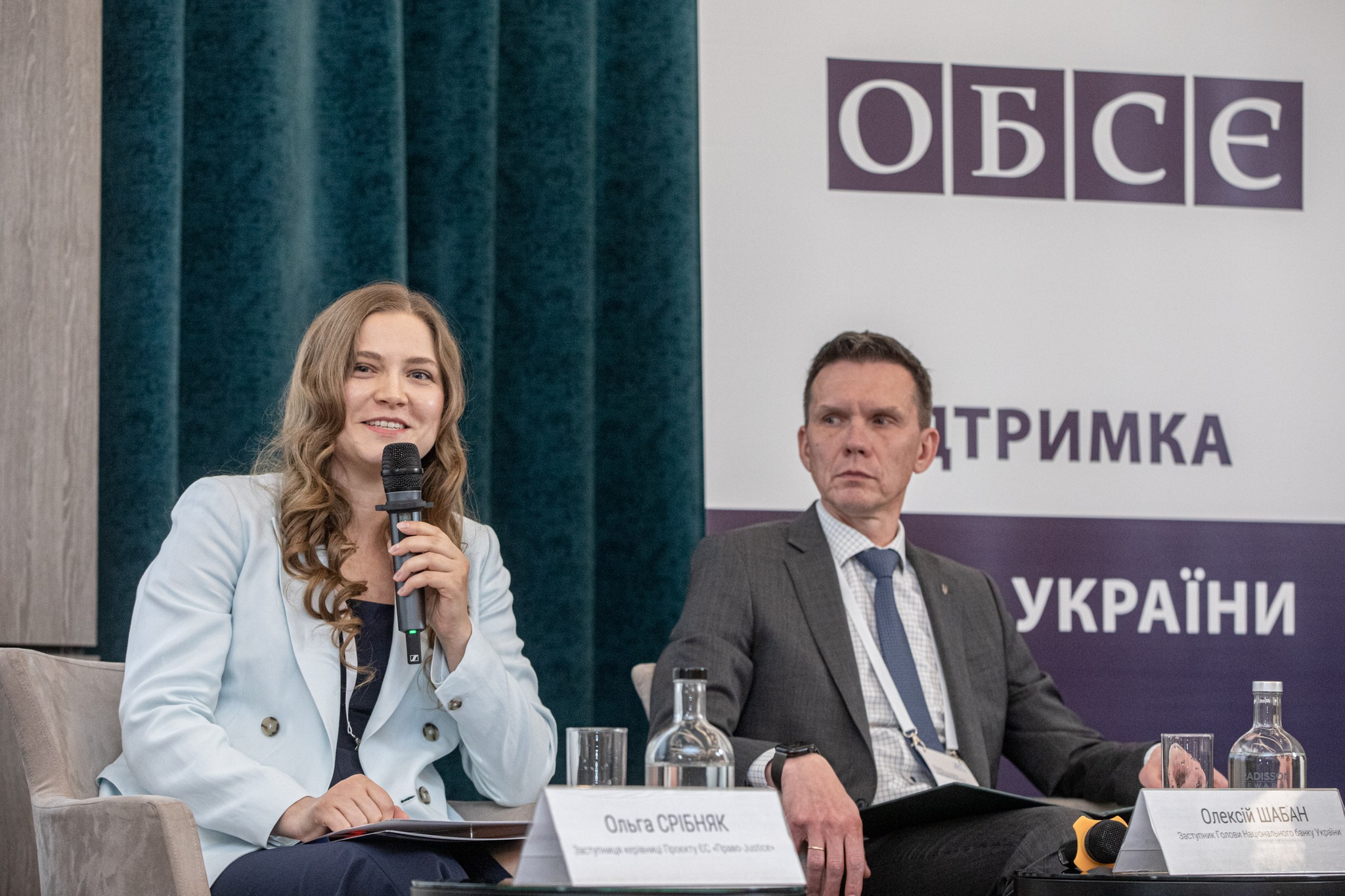
Olha Sribniak, Deputy Team Leader of EU Project Pravo-Justice, pointed out that in the process of preparing for EU membership, it is not only the alignment of legislation with European standards that is of key importance, but also its effective application in practice. She emphasised that not only Chapters 23 and 24 of the ‘Fundamentals’ negotiation cluster, but also a significant proportion of the issues covered by the ‘Internal Market’ cluster, directly concern commercial courts.
“There is even more work ahead for commercial courts, as the second cluster of the negotiation process regarding Ukraine’s accession to the EU – ‘Internal Market’ – covers issues of company law, intellectual property, and competition policy,” said Olha Sribniak.
During the thematic sessions, the conference participants discussed the application of European standards in commercial proceedings, access to justice and the right to a fair trial, the role of commercial courts in ensuring the stability of economic relations, as well as the development of bankruptcy procedures, the resolution of corporate disputes, and the protection of property rights and competition.
Particular attention was paid to issues of judicial efficiency and court administration. Participants discussed the impact of management decisions, workload on judges, digitalisation, and development of IT solutions on the quality and speed of case handling.
During the event, Olena Fonova, President of the Economic Court of Luhansk Region and co-founder of the NGO PRO JUSTICE, presented an expert study entitled ‘Jurisdictional Analysis of Judicial Review in Ukraine’, conducted with the support of EU Project Pravo-Justice.
The focus was also on issues relating to the enforcement of court decisions, the equality of arms in enforcement proceedings, and the harmonisation of Ukrainian legislation with European standards. In this context, Massimiliano Blasone, International Expert with EU Project Pravo-Justice, presented a study entitled ‘Assessing the Effectiveness and Quality of the Enforcement System: European Approaches and Their Application in Ukraine’.
Summarising the findings of the conference, the participants noted that further development of commercial jurisdiction must be based on European standards, trust in the courts, and the effectiveness of justice. It is these principles that will determine the quality of Ukraine’s economic recovery, its investment attractiveness, and strength of the State’s legal system.
Full video recordings of the two-day conference is here and here.