The Practical Implementation of the Anti-Corruption Block of the Rule of Law Roadmap was Discussed in Ukraine
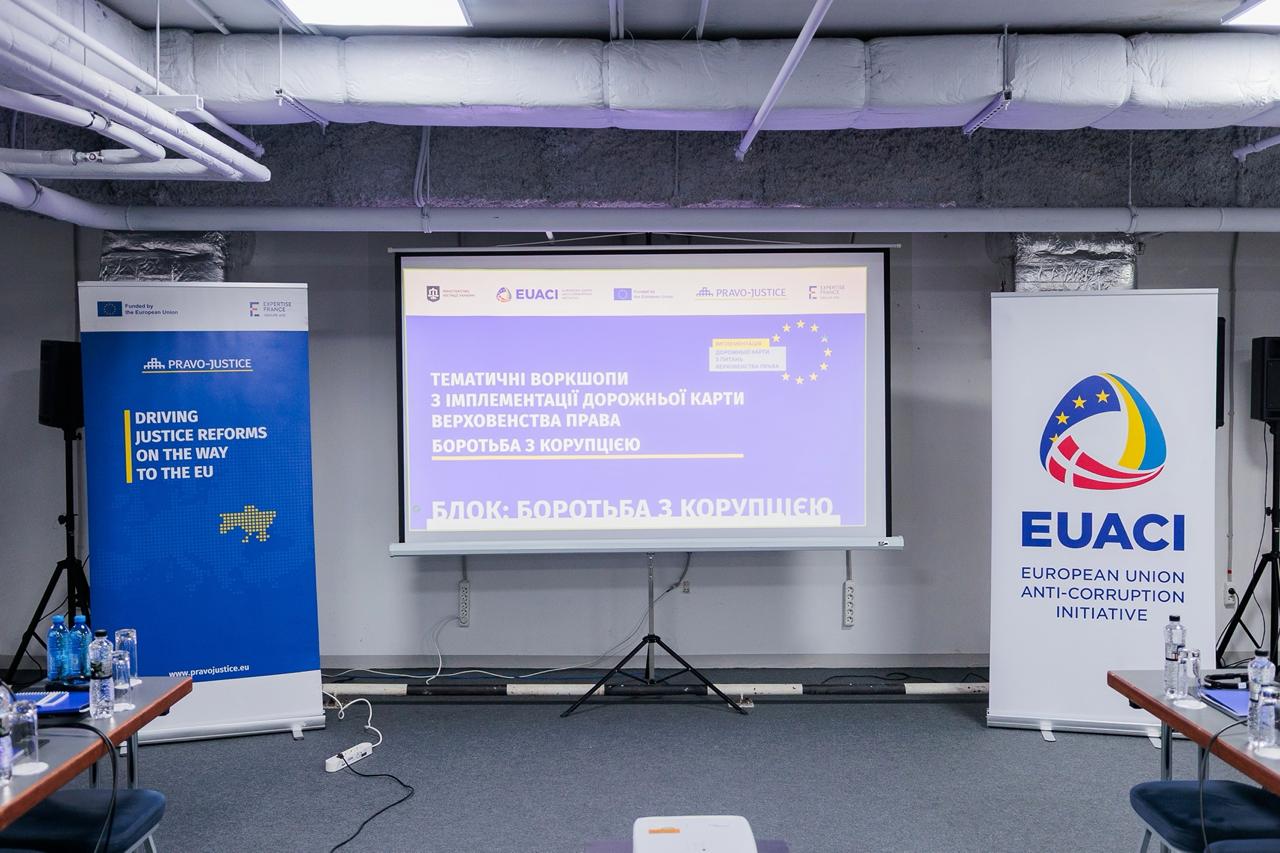
On 4-6 February, a series of thematic workshops dedicated to the implementation of the Rule of Law Roadmap regarding the fight against corruption took place in Kyiv in hybrid format. The event was organised by EU Project Pravo-Justice in cooperation with the Ministry of Justice of Ukraine and the EU Anti-Corruption Initiative.
The workshops brought together representatives of state authorities involved in the expert group on the implementation of the section of the Roadmap dedicated to the fight against corruption, as well as representatives of international organisations, European experts and Ukrainian civil society.
The workshops aimed to help make the transition from the strategic provisions of the Roadmap to practical work on its implementation, to build a shared vision of priorities, and to align further steps in the field of anti-corruption policy with EU standards.
The workshop agenda covered key institutional and policy aspects of anti-corruption reform, including the capacity, independence and accountability of anti-corruption institutions; anti-corruption mainstreaming, performance audits and whistleblower protection; prevention and management of conflicts of interest, asset declarations and regulation of lobbying, as well as harmonisation of national legislation with international standards and EU practices.
International experts shared their findings and presentations during the workshops. Participants also heard presentations from civil society representatives, comments from the European Commission, and engaged in discussions with state authorities. This approach enabled not only discussion of the Roadmap indicators but also comparison with the challenges arising in practical implementation and the expectations of European partners.
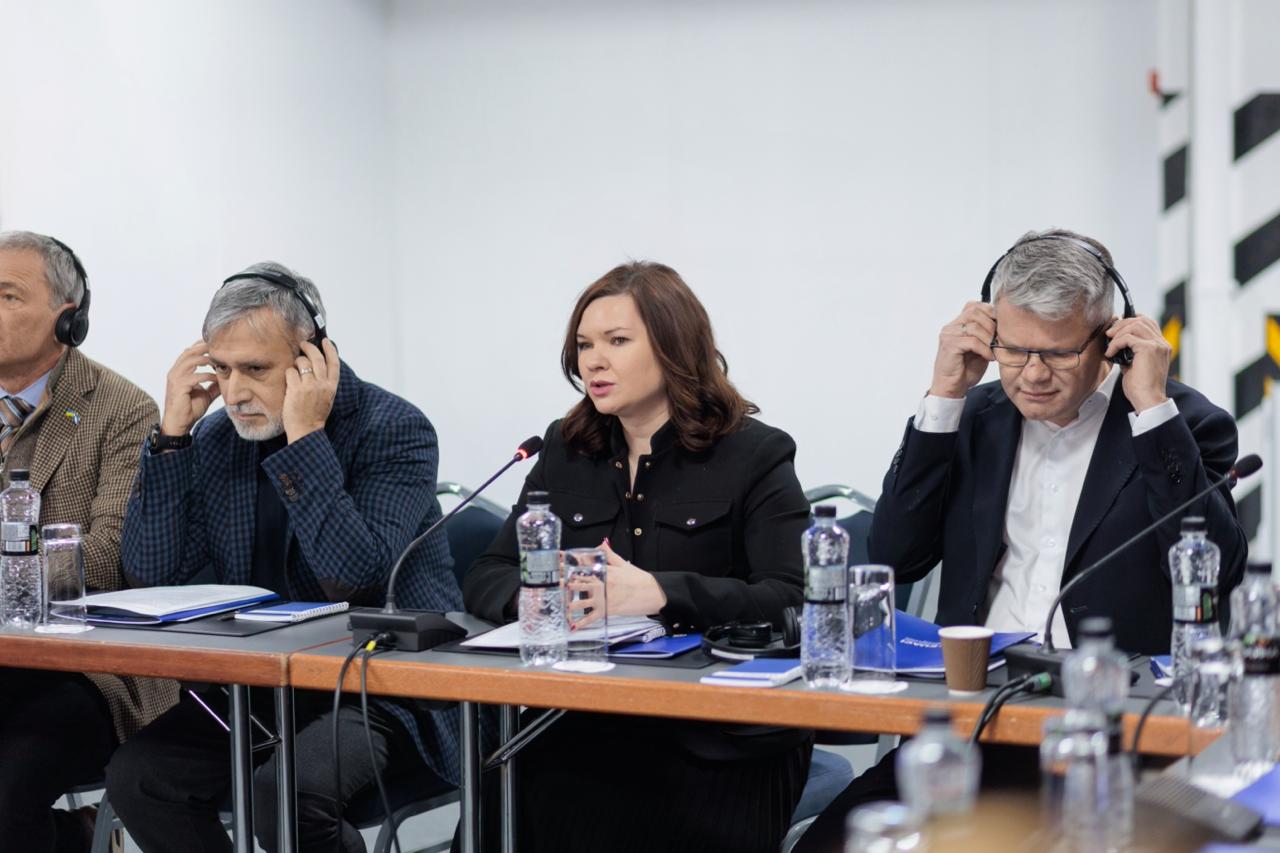
Liudmyla Suhak, Acting Minister of Justice of Ukraine, emphasised that the workshops help reinforce both domestic coordination and collaboration with European partners, offering a platform for participants to discuss the implementation of individual indicators and share their perspectives.
“The level of experts engaged by the European side is truly impressive. I know many of them personally — they are highly qualified professionals with extensive expertise. I encourage participants to make the most of this opportunity: be proactive, ask questions, and exchange ideas. It is precisely through such discussions that we build a shared understanding with our European partners,” she said.
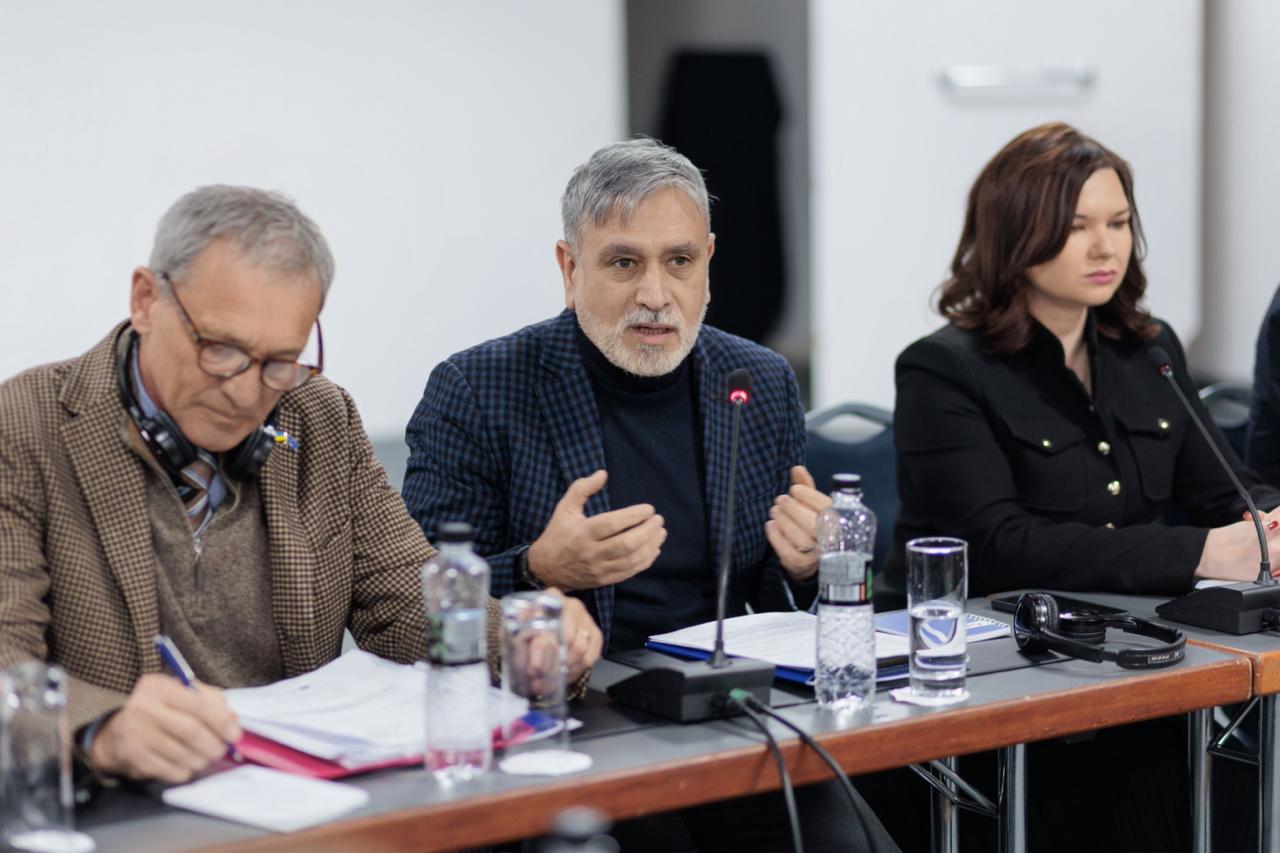
During the opening of the thematic workshops on the implementation of the Anticorruption block of the Rule of Law Roadmap, Asier Santillan, Head of the European Integration, Governance and Rule of Law, Civil Society Section at EU Delegation to Ukraine, emphasised the importance of national ownership of reforms and using an inclusive approach to their implementation.
“It’s due to joint efforts that Ukraine has completed the screening in record-breaking time and prepared ambitious roadmaps and an action plan on national minorities. This demonstrates the country’s real capacity to move towards EU membership, even under extremely difficult conditions. It is important that these processes are transparent and inclusive, involving civil society and international partners. The Rule of Law Roadmap is not just a document for the government; it is a roadmap for the entire Ukrainian community to follow on its path to the European Union. Without your ownership and involvement, none of the commitments can be implemented. That is why the workshops, as the one we are having today, are an important testament to our shared work and a tool for moving forward,” he said.
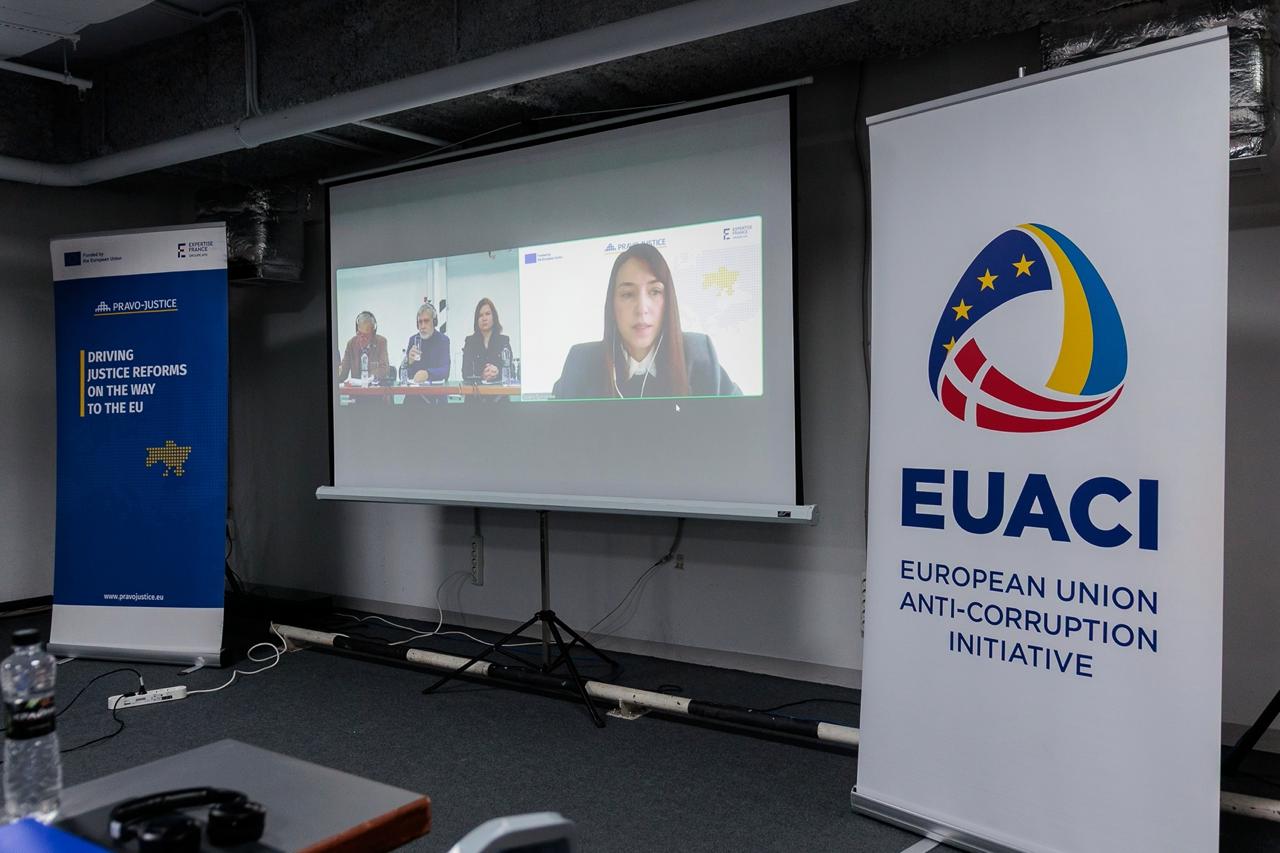
Oksana Tsymbrivska, Team Leader of the EU Project Pravo-Justice, noted that international donors are now working in close coordination, combining their efforts and expertise to provide Ukraine with the most effective support in implementing the Rule of Law Roadmap.
“During these workshops, we don't aim to offer ready-made solutions, as such solutions often don't exist in international practice or EU standards. Instead, we work together to find answers to complex implementation issues through dialogue. This is how we form a shared vision of expectations, standards, and possible paths for implementing the Roadmap. In the near future, we will also continue this work within the framework of workshops dedicated to Negotiating Chapter 24 – Justice, Freedom and Security,” emphasised Oksana Tsymbrivska.
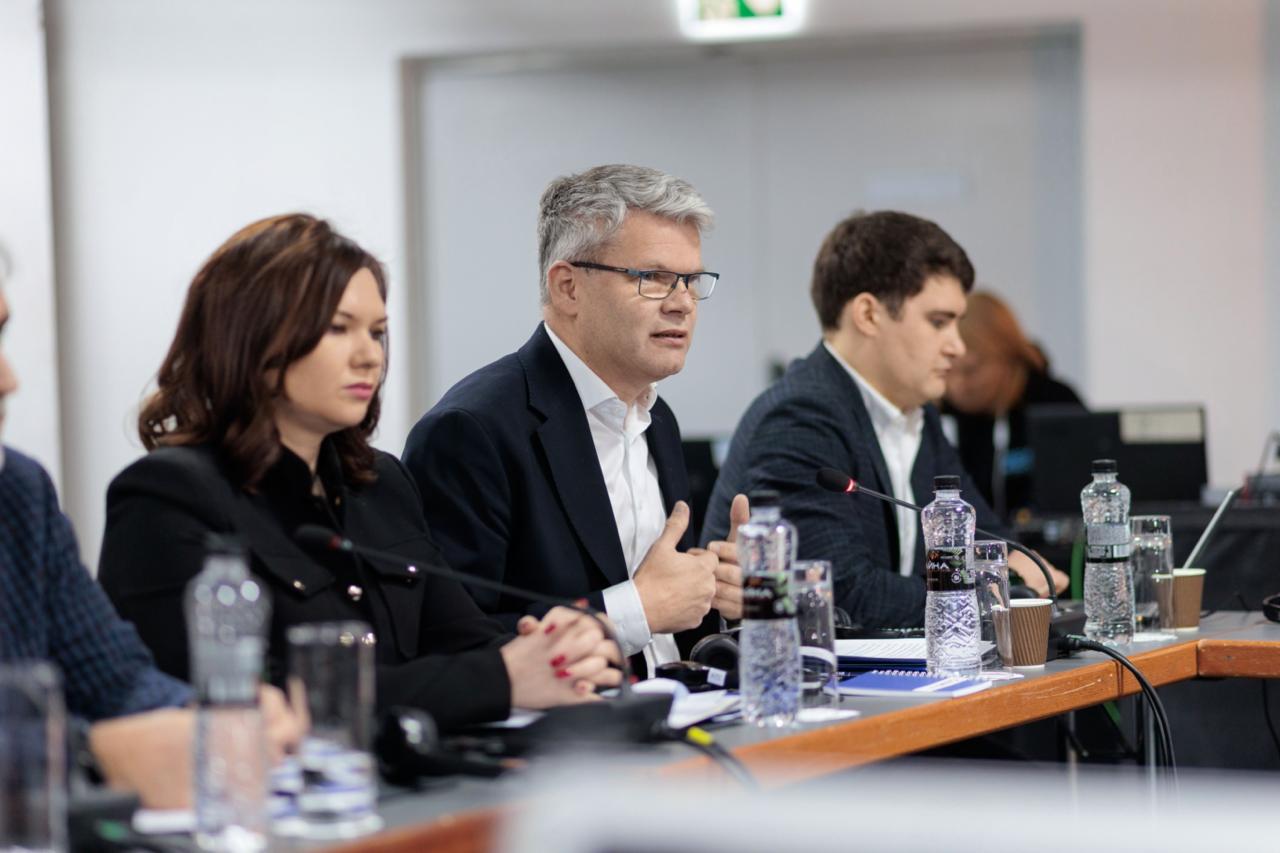
Allan Pagh Kristensen, Head of EU Anti-Corruption Initiative (EUACI), said that the workshops are an important part of the EU’s support for the implementation of the Rule of Law Roadmap.
“The anti-corruption component of the Rule of Law Roadmap is extremely important. It provides clear guidelines for future reforms and contains a set of measures aimed at strengthening anti-corruption institutions and the entire system of preventing and combating corruption. The better Ukraine prepares now, the easier it will be for it to negotiate and complete the process of opening the relevant chapters in the future. Therefore, there is no reason to delay the implementation of the necessary changes,” he said.
The workshops will provide a foundation for the continued implementation of the Rule of Law Roadmap on anti-corruption and will help align reforms with European standards and Ukraine's commitments in the EU accession process.